
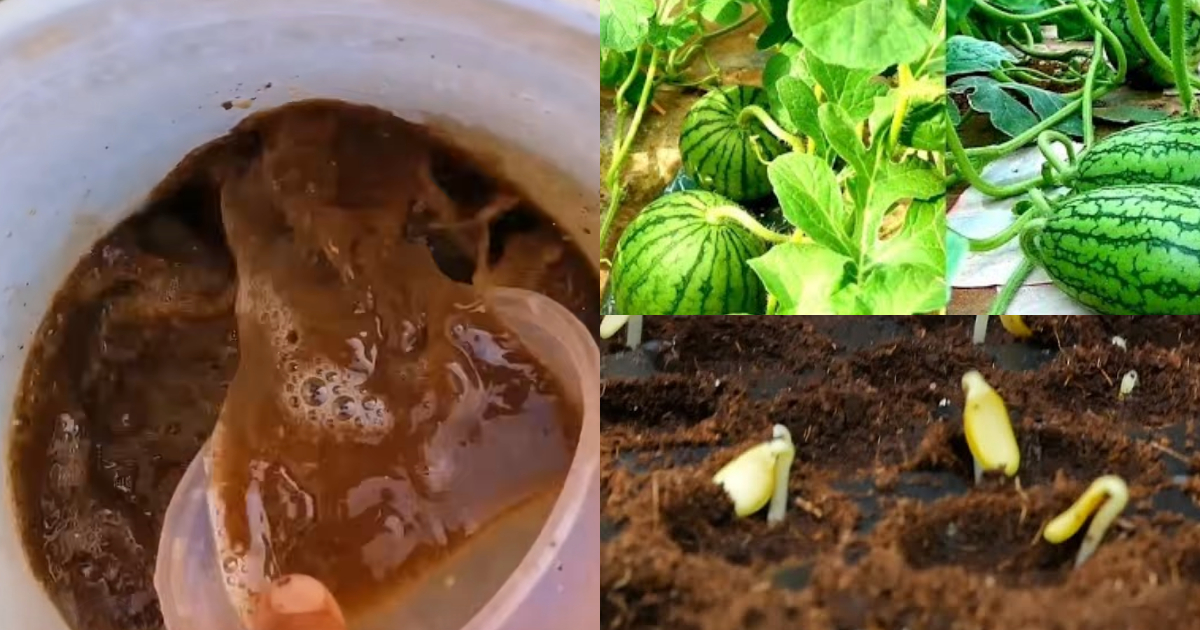
ഇത് മാത്രം അറിഞ്ഞാൽ മതി.! തണ്ണിമത്തൻ ഇനി ആർക്കും വീട്ടിൽ കൃഷി ചെയാം; ഇതൊന്ന് കണ്ടുനോക്കൂ | Watermelon farming tips

Watermelon farming tips
Watermelon farming tips: നമ്മുടെയെല്ലാം വീടുകളിൽ സ്ഥിരമായി വാങ്ങാറുള്ള ഒന്നായിരിക്കും തണ്ണിമത്തൻ. പ്രത്യേകിച്ച് ചൂടുകാലമായാൽ തണ്ണിമത്തൻ ഉപയോഗിച്ച് പലവിധ വിഭവങ്ങളും തയ്യാറാക്കി കഴിക്കുന്നത് മിക്കയിടങ്ങളിലെയും പതിവായിരിക്കും. എന്നാൽ ആരും തണ്ണിമത്തൻ അധികം വീട്ടിൽ കൃഷി ചെയ്യുന്ന പതിവ് ഉണ്ടായിരിക്കില്ല. കാരണം അതിന്റെ
പരിചരണ രീതികളെ പറ്റി വലിയ അറിവ് അധികമാർക്കും ഉണ്ടായിരിക്കില്ല. വീട്ടാവശ്യങ്ങൾക്കുള്ള തണ്ണിമത്തൻ എങ്ങിനെ വീട്ടുവളപ്പിൽ തന്നെ കൃഷി ചെയ്ത് എടുക്കാൻ സാധിക്കുമെന്ന് വിശദമായി മനസ്സിലാക്കാം. തണ്ണിമത്തൻ കൃഷി ചെയ്തെടുത്ത് വിൽക്കാനുള്ള പ്ലാനാണ് ഉള്ളത് എങ്കിൽ അത്യാവശ്യം നല്ല നീളമുള്ള സ്ഥലം നോക്കി വേണം തിരഞ്ഞെടുക്കാൻ. പ്രത്യേകിച്ച് പാടവരമ്പുകളും മറ്റും തിരഞ്ഞെടുക്കുമ്പോൾ നീളത്തിൽ കിടക്കുന്നവ
നോക്കി അവിടെ ആവശ്യമായ കാര്യങ്ങൾ ചെയ്തെടുക്കാം. മണ്ണ് നല്ലതുപോലെ തട്ടി വെച്ച് കളകൾ വരാതിരിക്കാനായി പ്ലാസ്റ്റിക് ഷീറ്റ് അതിനു മുകളിലായി വിരിച്ച് കൊടുക്കാവുന്നതാണ്. വരമ്പിലാണ് കൃഷി ചെയ്യുന്നത് എങ്കിൽ ചെടികൾ നടുമ്പോൾ 40 സെന്റീമീറ്റർ അകലം നൽകാനായി പ്രത്യേകം ശ്രദ്ധിക്കുക. അതല്ലെങ്കിൽ ചെടികൾ തിങ്ങി വളരാനുള്ള സാധ്യതയുണ്ട്. മണ്ണിൽ നിന്നും ചെടിയുടെ കുറച്ചുഭാഗം മുകളിലേക്ക് നിൽക്കുന്ന രീതിയിലാണ് കൃഷി
സജ്ജീകരിച്ച് എടുക്കേണ്ടത്. ആദ്യം തൈ മറ്റൊരു പാത്രത്തിൽ നട്ട് പിടിപ്പിച്ച ശേഷം പിന്നീട് അതിനെ മണ്ണിലേക്ക് നട്ടുപിടിപ്പിക്കുന്നതാണ് ഏറ്റവും അനുയോജ്യം. ഒരാഴ്ച സമയം കൊണ്ട് തന്നെ തൈ നല്ല രീതിയിൽ പിടിച്ചു കിട്ടുന്നതാണ്. വളരെ കുറഞ്ഞ സമയം കൊണ്ട് തന്നെ തണ്ണിമത്തനിൽ കായ പിടിച്ച് കിട്ടുന്നതാണ്. ഏകദേശം 120 ദിവസം കൊണ്ടാണ് തണ്ണിമത്തൻ നല്ല രീതിയിൽ വിളവെടുക്കാനുള്ള പാകത്തിലേക്ക് ആയി കിട്ടുക. ഇളം മഞ്ഞ നിറമുള്ള കായകൾ നോക്കി വേണം ആദ്യം പറിച്ചെടുക്കാൻ. തണ്ണിമത്തൻ ചെടികൾക്ക് ഉണ്ടാകുന്ന കീടബാധ ശല്യം ഇല്ലാതാക്കാനായി ഫിറോമോൺ ട്രാപ്പ് ഉപയോഗപ്പെടുത്താവുന്നതാണ്. തണ്ണിമത്തന്റെ കൂടുതൽ പരിചരണ രീതികളെ പറ്റി വിശദമായി മനസ്സിലാക്കാൻ വീഡിയോ കാണാവുന്നതാണ്.
Here are some useful tips for successful watermelon farming 🌱🍉:
1. Climate & Soil
- Watermelon thrives in warm, sunny climates with temperatures between 24°C – 30°C.
- Prefers well-drained sandy loam or sandy soil rich in organic matter.
- Soil pH should be 6.0 – 7.5 for best growth.
2. Land Preparation
- Plough the land 2–3 times to make it loose and weed-free.
- Add organic manure or compost (about 20–25 tons per hectare) during land preparation.
- Raised beds or ridges improve drainage and prevent root rot.
3. Seed Selection & Sowing
- Use high-yield, disease-resistant hybrid seeds.
- Soak seeds in water for 8–10 hours before sowing to improve germination.
- Sow seeds at a spacing of 2–3 meters between rows and 60–90 cm between plants.
4. Irrigation
- Watermelons need regular watering during early growth but avoid overwatering.
- Reduce irrigation during fruit ripening to increase sweetness.
- Drip irrigation is ideal for saving water and maintaining moisture.
5. Fertilization
- Apply a balanced fertilizer:
- Basal dose: Nitrogen, Phosphorus, Potassium (NPK 40:60:60 kg/ha).
- Top dressing: Extra nitrogen (30–40 kg/ha) at vine spreading and flowering stage.
- Use organic manure or liquid bio-fertilizers for better soil health.
6. Weed & Pest Control
- Regularly weed the field to avoid competition for nutrients.
- Common pests: aphids, fruit flies, red pumpkin beetles.
- Common diseases: powdery mildew, downy mildew, fusarium wilt.
- Use organic sprays like neem oil or recommended fungicides/insecticides.
7. Pollination
- Watermelon requires insect pollination, especially by bees.
- Encourage bees by avoiding chemical sprays during flowering.
8. Harvesting
- Ready for harvest 70–90 days after sowing, depending on the variety.
- Signs of maturity:
- Fruit surface turns dull.
- Tendril near the fruit stem dries up.
- A hollow sound when tapped.
9. Yield
- Average yield is 20–30 tons per hectare with good management.
