
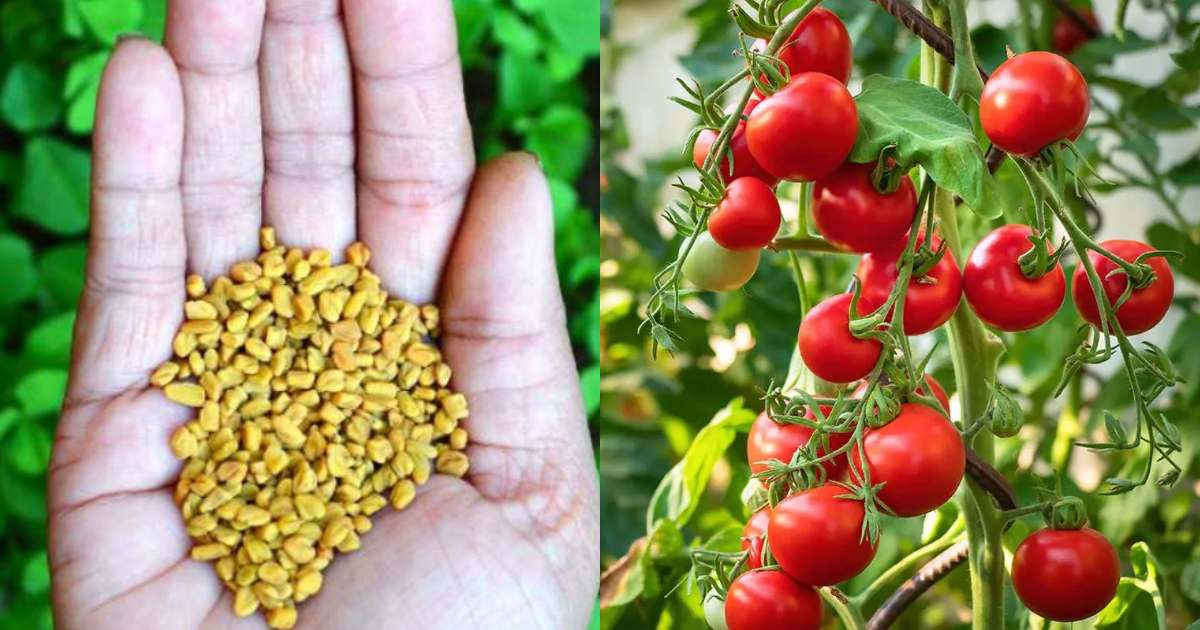
തക്കാളി കൃഷി ചെയുമ്പോൾ ഇനി ഈ ഒരു സൂത്രം ചെയ്തുനോക്കൂ.! ഒരു പിടി ഉലുവ ഉണ്ടെങ്കിൽ ഒരു കുട്ട നിറയെ തക്കാളി പറിക്കാം | Organic Tomato Cultivation

Organic Tomato Cultivation
Organic Tomato Cultivation: എല്ലാവർക്കും ഇഷ്ടമുള്ള ഒരു പച്ചക്കറി ഇനമാണ് തക്കാളി. എന്നാൽ പലപ്പോഴും തക്കാളി കൃഷി ചെയ്യുമ്പോൾ ഒരുപാട് പ്രശ്നങ്ങൾ നേരിടേണ്ടതായി വരാറുണ്ട്. അതിൽ പ്രധാനമായും ഉള്ളത് കീടശല്യം ആണ്. കീടങ്ങൾ വന്ന് തക്കാളി പൂവിനെയും തക്കാളി ചെടിയേയും ആക്രമിക്കുന്നതു മൂലം വളരെ പെട്ടെന്ന് തന്നെ അത് നശിച്ചു പോകു ന്നതിന് കാരണമായിത്തീരാറുണ്ട്.
ഈ സാഹചര്യത്തിൽ എങ്ങനെ തക്കാളി കൃഷി പരി പാലിക്കാം എന്നും നല്ല രീതിയിൽ വളർത്തിക്കൊണ്ടു വരാമെന്നും ആണ് ഇന്ന് നോക്കുന്നത്… അതിനായി ഏറ്റവും പ്രധാനമായ നമുക്ക് വേണ്ടത് വീടുകളിൽ സുലഭമായി ഉള്ള ഉലുവയാണ്. ഒരു പിടി ഉലുവ കൊണ്ട് വളരെ വലിയ ഒരു മാജിക് തന്നെ തക്കാളി കൃഷിയിൽ ചെയ്തെടുക്കാൻ സാധിക്കും. വേനൽക്കാലമാണ് തക്കാളി കൃഷിക്ക് ഏറ്റവും അനുയോജ്യമായ കാലാവസ്ഥ.
ഏത് കാലാവസ്ഥയിലും നടാം എങ്കിലും വേനൽക്കാലത്ത് തക്കാളി നടുന്നതാണ് കുറച്ചുകൂടി ഉചിതം.വിത്ത് നടാൻ മണ്ണ് ഒരുക്കുന്നത് മുതൽ തന്നെ ശ്രദ്ധിക്കേണ്ട നിരവധി കാര്യങ്ങളുണ്ട്. തക്കാളി വിത്ത് പാകുന്നതിന് മുമ്പ് മണ്ണ് സോളോമേറ്റോ കുമ്മായപ്പൊടിയോ ചേർത്ത് മിക്സ് ചെയ്തു വേണം വിത്ത് പാകാൻ. വഴുതന, പച്ചമുളക് എന്നിവയും ഈ രീതിയിൽ മണ്ണ് ഒരുക്കിയെടുത്ത് നടാവുന്നതാണ്. ശേഷം ഈ മണ്ണിലേക്ക്
ചകിരിച്ചോറ് കരിയില പൊടിച്ചത് തുടങ്ങിയ ജൈവ കം പോസ്റ്റുകളും ചേർക്കാവു ന്നതാണ് .തക്കാളി ചെടിയിൽ അഞ്ചോ ആറോ ഇലകൾ വരുമ്പോൾ മുതൽതന്നെ കീടനാശിനി തളിച്ചുകൊടുക്കുന്നത് കീടങ്ങളുടെ ആക്രമണം തടയുന്നതിന് സഹായകമാണ്. അല്ലാത്തപക്ഷം ചെടിയുടെ വളർച്ചയിൽ തന്നെ അത് കീടങ്ങളുടെ ആക്രമണത്തിന് കാരണമായേക്കാം .Organic Tomato Krishi.. Video Credit : Rema’s Terrace Garden
🌱 Organic Tomato Farming Tips
Organic tomato farming is a healthy and sustainable way to grow delicious, chemical-free tomatoes. Here are some essential tips for success:
1. Soil Preparation
- Choose well-drained, fertile soil with a pH between 6.0–7.0.
- Mix in plenty of organic compost, cow dung, or vermicompost before planting.
- Add neem cake or bone meal for extra nutrients and pest control.
2. Seed Selection & Germination
- Use disease-resistant, high-yielding organic seeds.
- Soak seeds in Trichoderma solution or cow urine for 15–20 minutes before sowing to prevent fungal infection.
- Start seeds in trays or seedbeds; transplant seedlings after 3–4 weeks when they reach 10–12 cm in height.
3. Planting
- Maintain a spacing of 45–60 cm between plants and 75–90 cm between rows.
- Plant in the evening and water lightly after transplanting to help plants settle.
4. Organic Manures & Fertilizers
- Apply jeevamrutham, panchagavya, or fish amino acid every 10–15 days.
- Use compost tea or vermicompost to promote strong root growth and fruiting.
- Avoid chemical fertilizers completely.
5. Irrigation
- Water early in the morning or late evening.
- Use drip irrigation to conserve water and prevent fungal infections.
- Keep soil moist but not waterlogged.
6. Pest & Disease Control (Organic Methods)
- Use neem oil spray (5 ml/L of water) once a week to prevent aphids and whiteflies.
- For fungal diseases, spray buttermilk or baking soda solution (1 tsp/L water).
- Introduce marigold plants near tomato beds to repel nematodes naturally.
7. Mulching
- Use dry leaves, straw, or coconut husk as mulch to retain moisture and control weeds.
8. Harvesting
- Tomatoes are ready for harvest about 70–90 days after transplanting.
- Pick fruits when they turn light red and allow them to ripen naturally in shade.
Would you like me to include a monthly care schedule (planting to harvesting) for organic tomatoes? That can help plan your crop more easily.
