
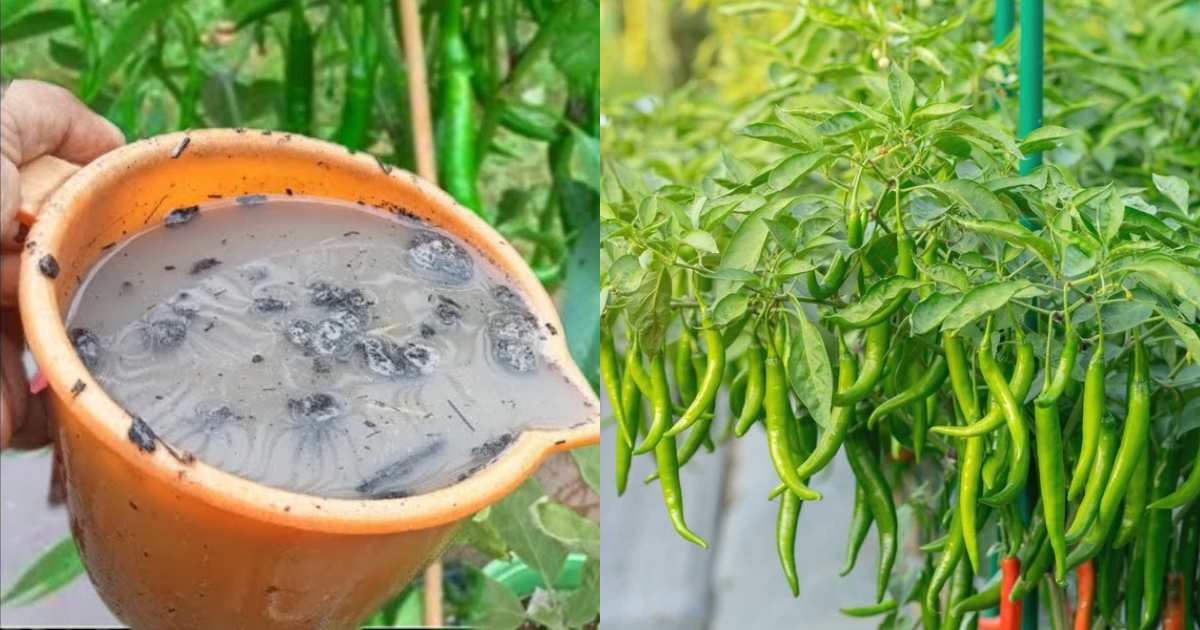
ചെടി നിറയെ മുളക് കായ്ച്ചു കിട്ടാനായി ഇതൊന്നു മാത്രം പരീക്ഷിച്ചു നോക്കൂ.! പച്ചമുളകിൽ പൂ വന്ന് നിറയും.! ഇതൊരു കപ്പ് മാത്രം മതി; പൊട്ടിച്ച് മടുക്കും | Chilli Farming tip

Chilli Farming tip
Chilli Farming tip : വീട്ടാവശ്യങ്ങൾക്കുള്ള പച്ചമുളക് പോലുള്ള പച്ചക്കറികളെല്ലാം വീട്ടിൽ തന്നെ കൃഷി ചെയ്തെടുക്കുന്നതാണ് എപ്പോഴും നല്ലത്. കാരണം കടകളിൽ നിന്നും ലഭിക്കുന്ന പച്ചക്കറികളിലും മറ്റും കൂടുതലായി കീടനാശിനികൾ അടിച്ചിട്ടുണ്ടാകും. എന്നാൽ ഇത്തരത്തിൽ വളർത്തിയെടുക്കുന്ന ചെടികളിൽ എപ്പോഴും ചെറിയ പ്രാണികളുടെയും മറ്റും ശല്യം
കാരണം ഉദ്ദേശിച്ച രീതിയിൽ കായ്ഫലങ്ങൾ ലഭിക്കാറില്ല. അത്തരം സാഹചര്യങ്ങളിൽ തീർച്ചയായും പരീക്ഷിച്ചു നോക്കാവുന്ന ഒരു മരുന്നിന്റെ കൂട്ട് വിശദമായി മനസ്സിലാക്കാം. ചെടി നിറച്ച് പച്ചമുളക് കായ്ക്കാനായി വിത്ത് തിരഞ്ഞെടുക്കുമ്പോൾ മുതൽ ശ്രദ്ധിക്കേണ്ടതുണ്ട്. വിത്ത് നടാനായി തിരഞ്ഞെടുക്കുമ്പോൾ നന്നായി പഴുത്ത് ഉണങ്ങിയ വിത്ത് നോക്കി വേണം തിരഞ്ഞെടുക്കാൻ. ഇത്തരത്തിൽ തിരഞ്ഞെടുത്ത വിത്ത് മണ്ണും ചകിരിച്ചോറും മിക്സ് ചെയ്ത പോട്ടിലേക്ക് ഇട്ട് മുളപ്പിച്ചെടുക്കുക.
ചെടി ചെറുതായി വളർന്നു കഴിഞ്ഞാൽ അത് ഒരു വലിയ ഗ്രോ ബാഗിലേക്ക് മാറ്റി നടണം. അതിനായി ഗ്രോ ബാഗിൽ ആദ്യത്തെ ലയർ കരിയിലയും അതിനുമുകളിലായി മണ്ണും, മിക്സ് ചെയ്യുക. അതിന് നടുക്കായി ഒരു ചെറിയ കുഴിയെടുത്ത് ചെടി നട്ടു കൊടുക്കുക. ചെടി വളർന്നു തുടങ്ങിക്കഴിഞ്ഞാൽ അതിനാവശ്യമായ വളപ്രയോഗം നടത്താം. അതിനായി കഞ്ഞി വെള്ളമെടുത്ത് അതിലേക്ക് രണ്ടു പിടി ചാരമിട്ട് നല്ലതുപോലെ ഇളക്കി മിക്സ് ചെയ്യുക. ഇത് ഒരു ദിവസം പുളിപ്പിക്കാനായി വയ്ക്കുക. പിറ്റേദിവസം ആവശ്യത്തിന് വെള്ളം കൂടെ ചേർത്ത് വളം ഫെർമെന്റ് ചെയ്ത ശേഷം ചെടിയിൽ ഒഴിച്ചു കൊടുക്കാവുന്നതാണ്. ഈ ഒരു രീതിയിൽ പരിചരണം നൽകുകയാണെങ്കിൽ പ്രാണികളുടെ ശല്യമൊന്നും തന്നെ ചെടികളിൽ ഉണ്ടാവുകയില്ല, കൂടാതെ നല്ല രീതിയിൽ വിളവ് ലഭിക്കുകയും ചെയ്യും. വിശദമായി മനസ്സിലാക്കാൻ വീഡിയോ കാണാവുന്നതാണ്.Shalus world shalu mon Chilli Farming tip
Great choice 🌱🌶️! Here’s a detailed guide on chilli farming tips to help you get better yield and healthier plants:
🌶️ Chilli Farming Tips – Step by Step
1. Climate & Season
- Chillies need a warm, humid climate with temperatures between 20°C – 30°C.
- Avoid frost and extreme rainfall.
- Best season: June–July (monsoon), October–November (post-monsoon), or January–February depending on your region.
2. Soil Preparation
- Chillies grow best in well-drained sandy loam or loamy soil with a pH of 6.0–7.0.
- Avoid heavy clay soils that retain too much water.
- Before planting, plough the land 2–3 times, and mix in well-decomposed farmyard manure (FYM) or compost (20–25 tons/acre).
- Add neem cake to prevent soil-borne pests.
3. Seed Selection & Sowing
- Choose high-yielding, disease-resistant varieties suitable for your region.
- Treat seeds with Trichoderma or fungicide before sowing to prevent seed-borne diseases.
- Start with a nursery bed (for healthy seedlings) and later transplant to the main field after 35–40 days.
4. Planting & Spacing
- Maintain spacing of 45–60 cm between rows and 30–45 cm between plants.
- Proper spacing allows airflow, reducing fungal disease risk.
5. Irrigation
- Chillies need moderate but regular watering.
- Water every 7–10 days in winter and 5–7 days in summer.
- Avoid overwatering (causes root rot). Drip irrigation is highly recommended for better yield.
6. Nutrient Management
- Basal dose: Apply NPK fertilizers (based on soil test) along with organic manure.
- Generally: 50 kg Nitrogen, 25 kg Phosphorus, and 25 kg Potassium per acre (split in 3 doses).
- Use foliar sprays of micronutrients (Boron, Calcium, Magnesium) for healthy fruits.
7. Weed & Crop Management
- Do 2–3 manual weedings or use mulching (plastic or organic) to suppress weeds.
- Mulching also helps maintain soil moisture and prevents pest attacks.
8. Pest & Disease Control
Common Pests:
- Aphids, thrips, whiteflies, fruit borers.
👉 Control: Use neem oil spray (3%) or organic insecticides.
Common Diseases:
- Damping-off, leaf curl, powdery mildew.
👉 Control: Proper spacing, seed treatment, and timely fungicide spray (if needed).
9. Harvesting
- Chillies can be harvested 60–90 days after transplanting.
- For green chillies: harvest when fruits are full-grown but still green.
- For red chillies: allow fruits to ripen fully on the plant before plucking.
- Frequent harvesting encourages new flowering and higher yield.
10. Storage & Marketing
- Dry chillies under the sun for 8–10 days to reduce moisture.
- Store in a cool, dry place to prevent fungus.
- Grade and pack for local markets or export depending on demand.
✅ Pro Tip: Pinch off the first few flower buds to help the plant focus on root and branch growth, resulting in higher long-term yield.
